
 today deals
 special offer


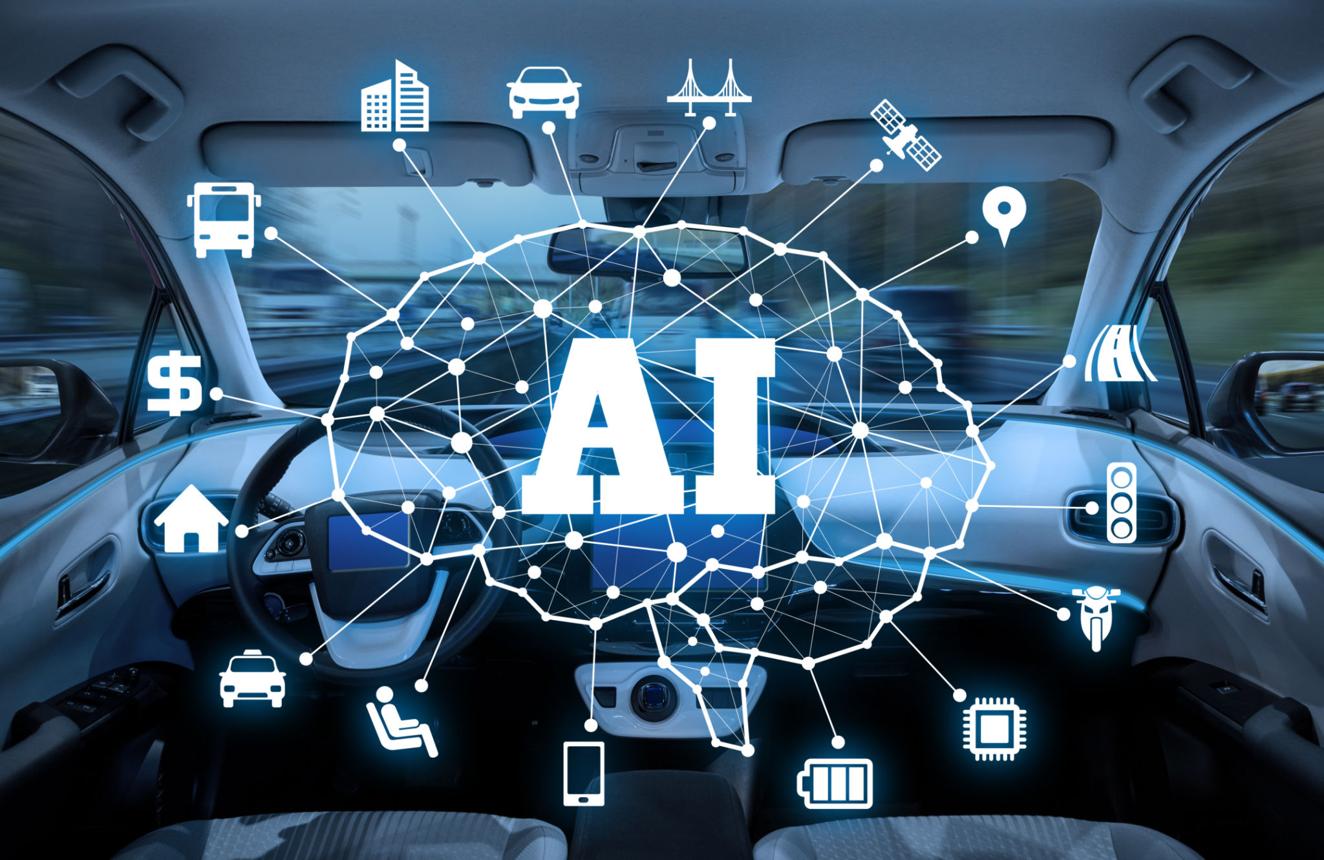
Here are 10 automotive technologies that could significantly change the way we drive and own cars in the coming years.
1. Artificial Intelligence (AI)
AI is becoming a major part of modern vehicles. It can help cars understand driving conditions, recognize objects, predict maintenance problems, and personalize the driving experience.
Future vehicles may use AI to learn a driver’s habits and automatically adjust settings such as climate control, seats, navigation, and entertainment.
2. Advanced Driver Assistance Systems (ADAS)


ADAS uses cameras, radar, and other sensors to help drivers avoid accidents.
Common features include:
- Automatic emergency braking
- Adaptive cruise control
- Lane-keeping assistance
- Blind-spot monitoring
- Traffic-sign recognition
- Forward collision warning
These systems are designed to assist drivers and make everyday driving safer.
3. Self-Driving Technology


Cameras, radar, LiDAR, GPS, and powerful computers work together to understand the road and surrounding traffic.
Fully autonomous vehicles are still a developing technology, but increasingly capable automated-driving systems are already appearing in some vehicles.
4. Electric Vehicle Technology


Improvements in battery technology could bring:
- Longer driving ranges
- Faster charging
- Lower battery costs
- Better performance
- Longer battery life
As charging infrastructure expands, EVs could become an increasingly common choice for drivers.
5. Vehicle-to-Everything (V2X) Communication


For example, a connected vehicle could receive information about:
🚗 Another vehicle → 🚦 Traffic signal → 🚧 Road hazard → 🚶 Pedestrian
This could help drivers receive warnings about dangers before they can physically see them.
6. Vehicle-to-Grid (V2G)
Electric vehicles could eventually become more than transportation devices.
With V2G technology, compatible EVs can potentially send electricity from their batteries back to the electrical grid when needed.
This could allow an EV to act as:
Car + Battery + Backup Power Source
In the future, some EV owners could use their vehicles to help power their homes or support the electricity grid.
7. Solid-State Batteries


Solid-state batteries are being developed as a potential next generation of EV battery technology.
Compared with today’s common lithium-ion batteries, solid-state designs could potentially offer higher energy density, improved safety, and faster charging.
If the technology reaches large-scale commercial production, it could have a major impact on electric vehicles.
8. Augmented Reality (AR) Head-Up Displays


Instead of constantly looking down at a dashboard or phone, drivers could see important information projected within their field of view.
An AR head-up display could show:
- Navigation arrows
- Speed limits
- Lane information
- Collision warnings
- Directions
This could make navigation easier while allowing drivers to keep their attention on the road.
9. Predictive Maintenance
Modern vehicles are increasingly capable of monitoring their own components.
Sensors can collect information about the engine, battery, brakes, tires, and other systems. AI-powered software can then analyze this information to identify potential problems.
Instead of waiting for a component to fail, the vehicle could warn the driver:
“Your brake pads may need replacement soon.”
This could reduce unexpected breakdowns and potentially lower maintenance costs.
10. Connected Cars and Cloud Technology


A connected vehicle can communicate with smartphones, cloud services, manufacturers, navigation systems, and other vehicles.
This can enable features such as:
- Remote vehicle control
- Over-the-air software updates
- Live traffic information
- Remote diagnostics
- Digital keys
- Cloud-based navigation
- Personalized vehicle settings
The Future of Driving
The biggest change may not come from one technology alone. AI, electric power, connectivity, autonomous driving, advanced sensors, and cloud computing are increasingly working together.
The result could be vehicles that are safer, smarter, more efficient, and more connected than today’s cars.
For drivers, the future of the automobile may mean spending less time worrying about the machine—and more time simply enjoying the journey.



Leave a Reply