
 today deals
 special offer


The automotive industry is changing faster than ever. Cars are no longer just machines that take us from one place to another. Modern vehicles are becoming smarter, safer, more connected, and increasingly capable of making decisions on their own.
From self-driving systems to AI-powered maintenance and vehicle-to-grid charging, the technologies entering today’s cars could dramatically change how we drive over the next few years.
Here are 10 automotive technologies that could change the way we drive.
1. Autonomous Driving


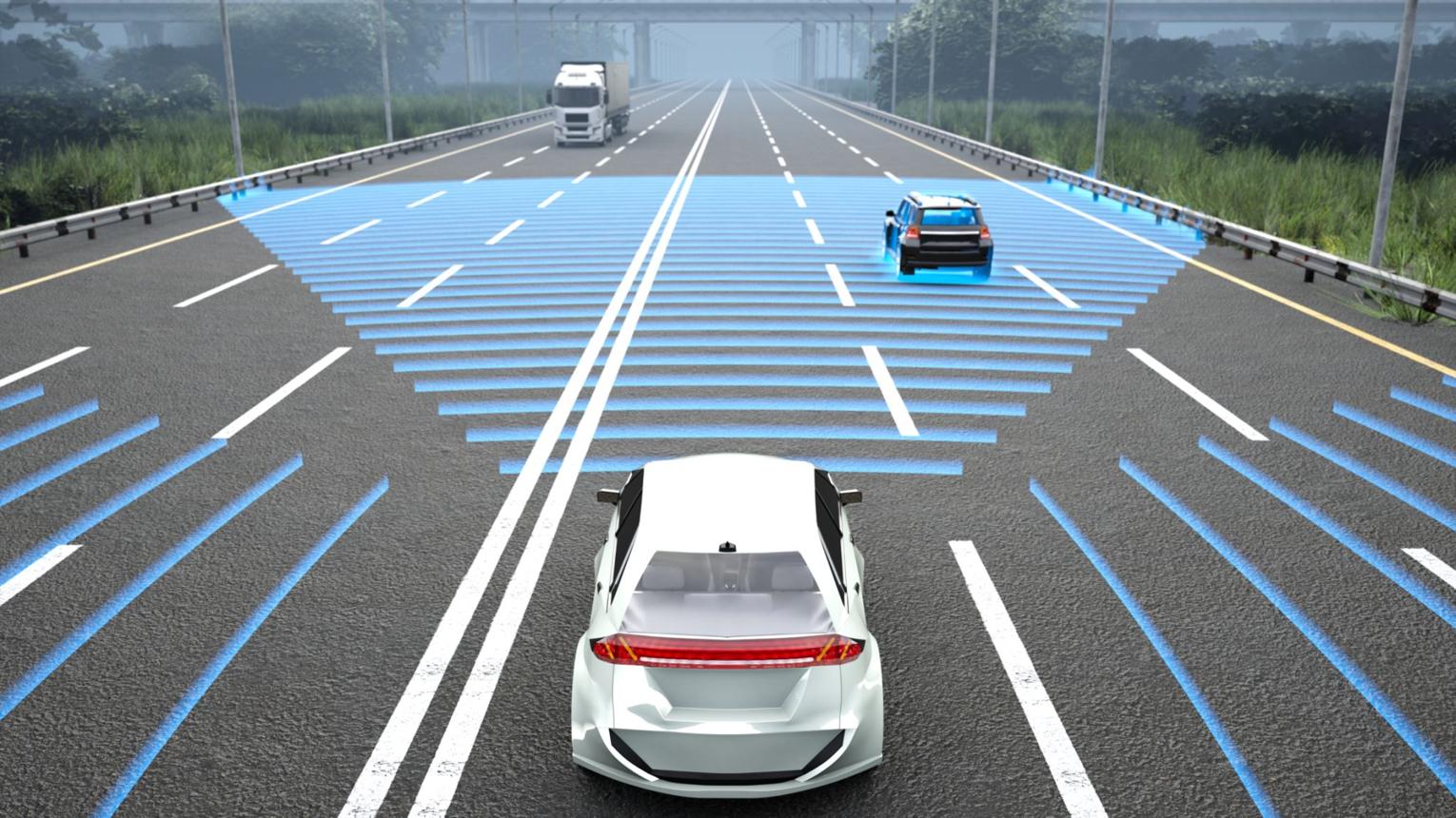
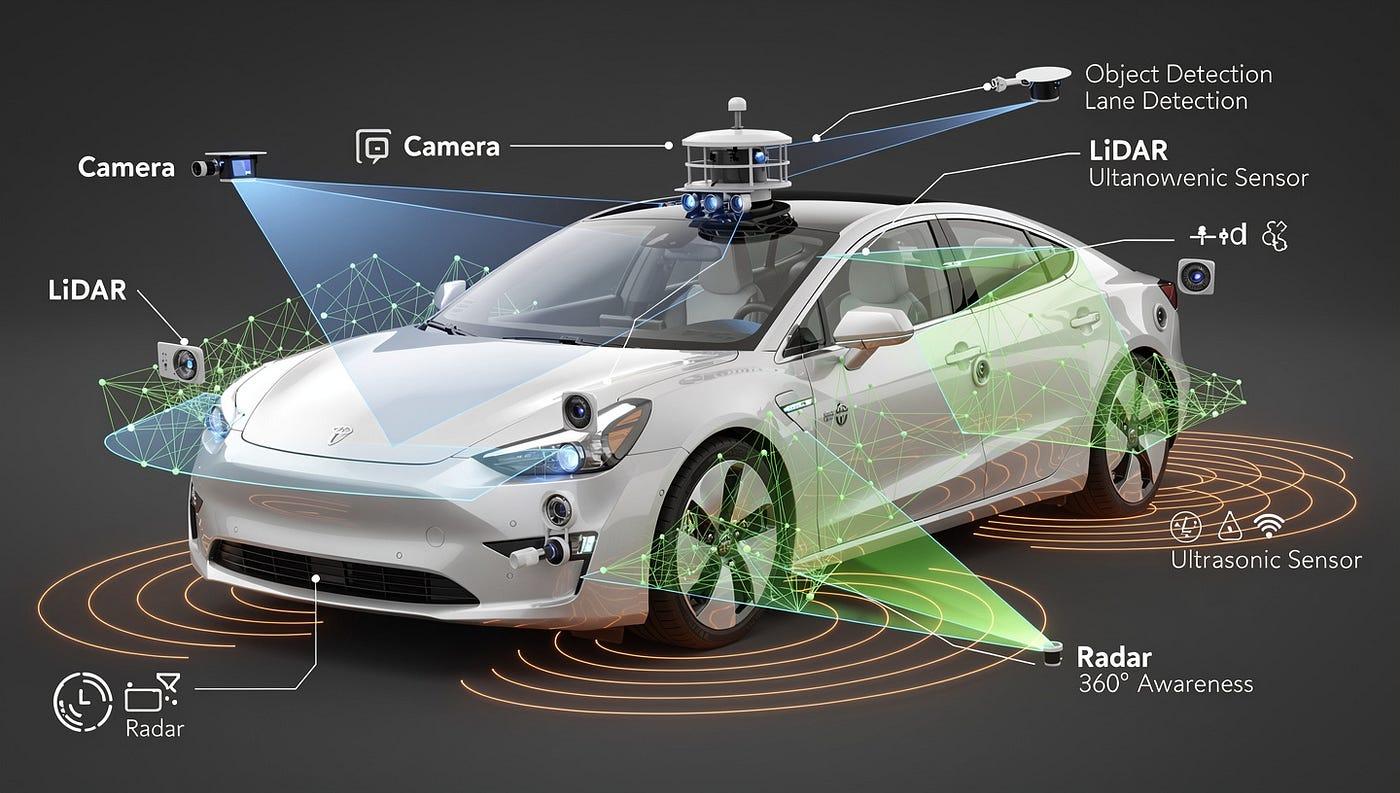
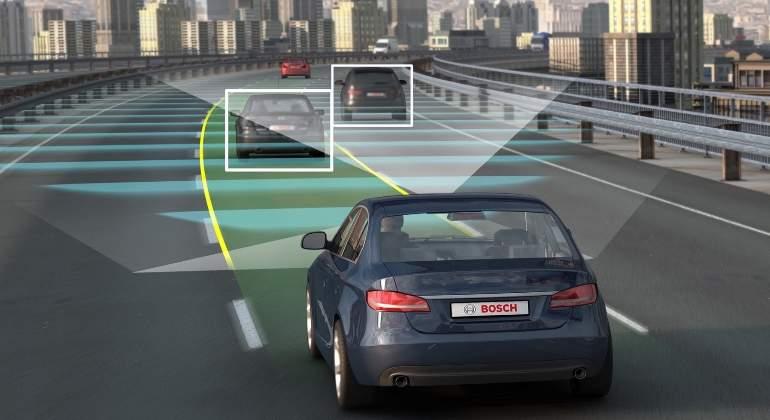
Autonomous vehicles use cameras, radar, LiDAR, GPS, artificial intelligence, and other sensors to understand their surroundings. These systems can detect vehicles, pedestrians, road markings, traffic signs, and obstacles.
While fully driverless cars are not yet common everywhere, advanced driver-assistance systems can already handle tasks such as:
- Adaptive cruise control
- Automatic emergency braking
- Lane keeping
- Highway driving assistance
- Automatic parking
- Blind-spot monitoring
As the technology improves, driving could become less demanding, particularly on long highway journeys.
Important: Current driver-assistance systems still require an attentive human driver unless the vehicle is specifically approved and designed for a higher level of automated driving.
2. Artificial Intelligence in Cars


AI can analyze enormous amounts of information from cameras, sensors, navigation systems, and vehicle computers. This allows cars to respond more intelligently to changing conditions.
For example, AI could help a vehicle:
- Recognize unusual driving patterns
- Predict potential mechanical problems
- Improve navigation routes
- Understand voice commands
- Personalize the driving experience
- Improve driver-assistance systems
In the future, your car could feel less like a traditional machine and more like a digital assistant that understands how you drive.
3. Vehicle-to-Grid (V2G) Technology


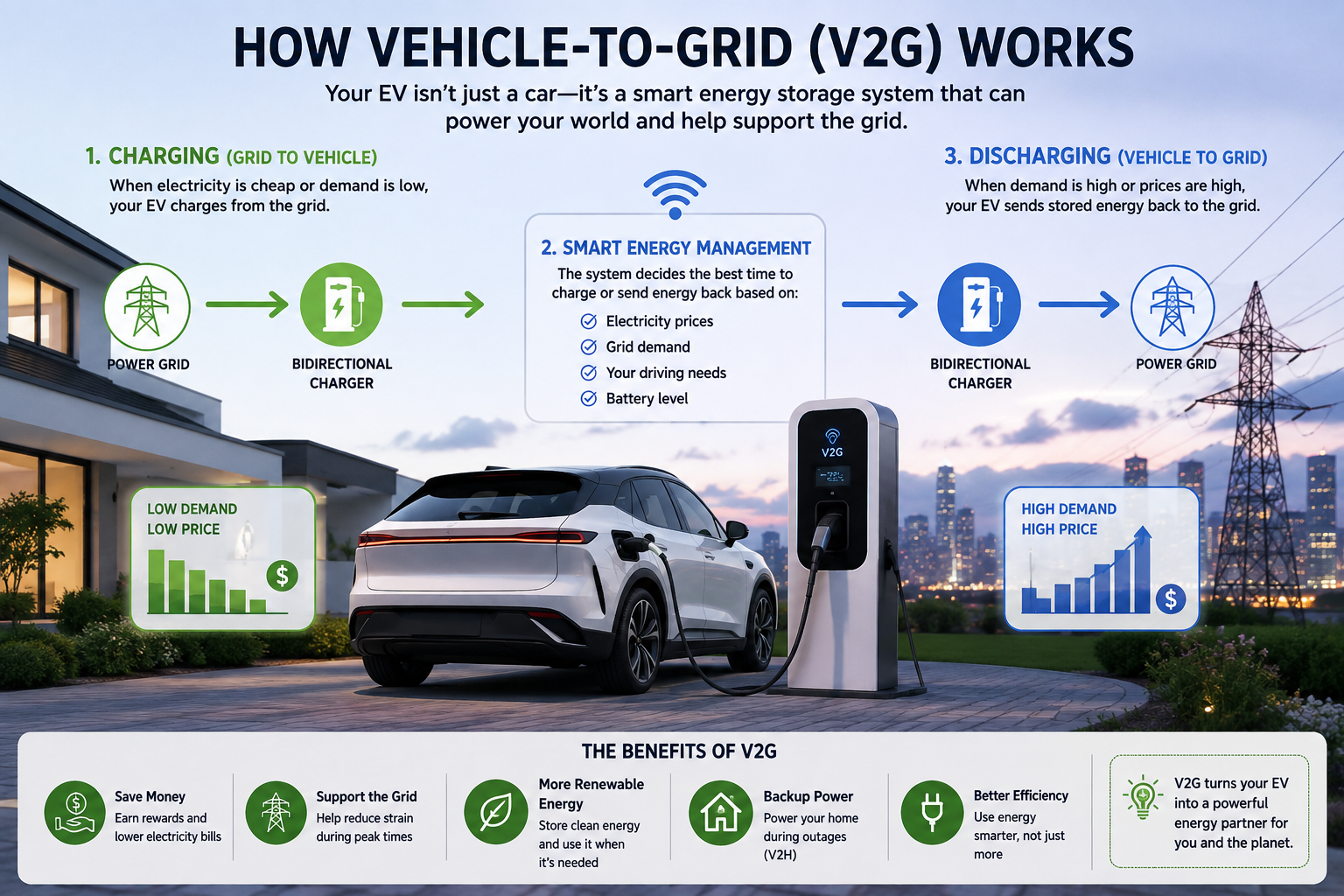
Vehicle-to-Grid (V2G) technology allows compatible electric vehicles to send electricity from their batteries back to the electrical grid.
Imagine arriving home with your EV partially charged. Instead of simply charging the vehicle overnight, the car could potentially send some stored electricity back to the grid when demand is high and recharge when electricity is cheaper or more available.
This could help with:
- Managing electricity demand
- Supporting renewable energy
- Reducing pressure on the power grid
- Making better use of EV batteries
V2G could turn millions of parked electric cars into a massive distributed energy-storage system.
4. Advanced Driver Assistance Systems (ADAS)


These systems use cameras, radar, sensors, and software to assist drivers and potentially reduce the severity or likelihood of some crashes.
Common ADAS features include:
- Lane departure warning
- Lane-centering assistance
- Adaptive cruise control
- Blind-spot detection
- Forward collision warning
- Automatic emergency braking
- Traffic-sign recognition
The important thing to remember is that ADAS is designed to assist the driver, not replace the driver in most vehicles currently on the road.
5. Vehicle-to-Everything (V2X) Communication


That’s the idea behind Vehicle-to-Everything (V2X) communication.
A connected vehicle could exchange information with:
- Other vehicles
- Traffic lights
- Road infrastructure
- Pedestrians or vulnerable road users
- Cloud-based traffic systems
For example, a vehicle could potentially receive an alert about congestion or a hazard before the driver reaches it.
If widely deployed, V2X could help improve traffic management and road safety while making transportation more connected.
6. Augmented Reality Head-Up Displays


Augmented-reality head-up displays could change that by projecting useful information into the driver’s field of view.
A future AR display could show:
- Navigation directions
- Speed limits
- Lane guidance
- Hazard warnings
- Nearby vehicles
- Turn-by-turn instructions
Instead of looking at a screen in the dashboard, drivers could see relevant information seemingly overlaid on the road ahead.
7. Solid-State Batteries


Solid-state batteries replace the liquid or gel electrolyte used in many conventional lithium-ion batteries with a solid electrolyte.
Potential advantages include:
- Higher energy density
- Faster charging potential
- Longer driving range
- Improved packaging flexibility
- Potentially improved safety
The technology still faces manufacturing, cost, durability, and commercialization challenges, but successful large-scale adoption could significantly change the EV market.
8. Predictive Maintenance


Connected cars can monitor information from various components and sensors. AI and data analytics can potentially identify patterns that indicate a component may require attention.
For example, a vehicle might detect unusual behavior associated with:
- Battery performance
- Engine operation
- Brakes
- Tires
- Cooling systems
- Electrical components
Instead of simply telling you that something has failed, future systems could increasingly warn you about developing problems before they become major repairs.
That could mean fewer unexpected breakdowns and potentially lower maintenance costs.
9. Advanced Vehicle Connectivity


Internet connectivity allows vehicles to communicate with smartphones, cloud services, navigation platforms, manufacturers, and other digital systems.
Connected-car technology can provide features such as:
- Remote vehicle monitoring
- Smartphone unlocking
- Over-the-air software updates
- Live traffic information
- Cloud-based navigation
- Remote climate control
- Vehicle diagnostics
As connectivity improves, software could become just as important to the driving experience as the mechanical components of the vehicle.
10. Over-the-Air Software Updates


Over-the-air (OTA) updates allow manufacturers to update certain vehicle software remotely without requiring the owner to visit a dealership.
Depending on the vehicle and manufacturer, updates can potentially improve:
- Infotainment
- Navigation
- Vehicle performance
- Driver-assistance functions
- Cybersecurity
- Battery management
This means a vehicle’s capabilities can potentially evolve after you purchase it.
In the future, buying a car may feel increasingly similar to buying a smartphone: the hardware stays with you, while the software continues to develop.
What Will the Future of Driving Look Like?
The future of driving won’t be defined by one technology. Instead, it will likely be the combination of AI, electrification, connectivity, automation, advanced safety systems, and better batteries.
Cars could become more capable of understanding their surroundings, predicting problems, communicating with other vehicles, and assisting drivers.
However, these technologies also bring new challenges, including cybersecurity, privacy, regulation, infrastructure, cost, and driver education.
One thing is certain: the car of the future won’t simply be a better version of today’s car—it will be a much more intelligent and connected machine.

Leave a Reply